DEPARTMENT OF COMMUNITY MEDICINE
VISION OF DEPARTMENT
- To prepare the medical graduate to become an effective and efficient Community Physician
- To promote higher standards in medical education
- To provide comprehensive community health services
- To promote research relevant to local and national need
- To percolate the importance of ‘Good Health” at grass root level in community
INFRASTRUCTURE OF DEPARTMENT
The Community Medicine Department at Banas Medical College & Research Institute boasts a comprehensive and well-equipped infrastructure designed to support both academic and field-based community health initiatives. Our facilities include:
- Modern Classrooms and Lecture Halls: Equipped with the latest audio-visual aids to facilitate interactive and engaging learning experiences.
- Research Laboratories: Labs are designed for epidemiological, biostatistical, and public health research, providing students and faculty with the tools needed for cutting-edge investigations.
- Library and Resource Center: A vast collection of books, journals, and digital resources focused on community medicine and public health, ensuring our students and faculty have access to the most current and relevant information.
- Community Health Training Centers: Dedicated spaces for hands-on training and simulation exercises, preparing students for real-world public health challenges.
- Field Stations and Outreach Facilities: Strategically located to serve various communities, these facilities support our extensive fieldwork and community outreach programs, allowing for practical experience in diverse settings.
- Faculty Offices: Designed to foster collaboration and mentorship, our faculty offices provide a conducive environment for academic discussions and consultations.
- Student Support Services: Including study areas, counseling services, and career guidance to ensure the holistic development and well-being of our students.
- Community Medicine Museum: An educational space featuring exhibits on the history of community medicine, public health milestones, and various health promotion and disease prevention strategies. This museum serves as a valuable resource for students, faculty, and visitors to learn about the evolution and impact of community health initiatives.
Concept of Teaching or Teaching Philosophy: We are committed to promote higher standards in medical education, health care, and research and community health services.
- Utilize innovative and modern methods to keep up higher standards in education
- Promote student centered learning;
- Keep liaison with local, national and international institutions to promote and exchange knowledge.
- Foster life-long & self-directed learning and leadership skills;
- Create conducive environment for meaningful research relevant to local and national needs
CURRICULUM
- Total Teaching Hours: 435 (Phase I – 101 hrs, Phase II – 170 hrs, Phase III – 264 hrs)
- Curriculum Preparation: Crafted according to CBME guidelines with modifications based on feedback received.
- Curriculum Review: Regular reviews and updates ensure relevance and alignment with current medical education standards.
- Academic Integration: Academic sessions are strategically aligned and integrated with other subjects to provide a cohesive learning experience.
- Teaching Methods: Implementation of diverse teaching methods selected based on objectives, domain, faculty-student ratio, and level of instruction.
- Enrichment Strategies:
- Small Group Discussions (SGD): Facilitate in-depth understanding and peer learning.
- Self-Directed Learning (SDL): Encourage students to take responsibility for their own learning.
- Case-Based Learning: Enhance clinical reasoning and decision-making skills through real-life scenarios.
- Family Adoption: Practical exposure to community health by adopting and regularly visiting families.
- Field Visits: Hands-on experience in various community health settings.
- Debates, Quizzes, Elocution Competitions: Develop critical thinking and communication skills.
- Role Plays, Dramas, Skits: Interactive methods to understand public health issues.
- Charts, Posters, Models: Visual aids to enhance learning and retention.
- Health Days Celebration: Participate in national and international health days to raise awareness.
- Campaigning & Awareness Rallies: Involve in community health promotion activities.
- Industrial & Corporate Visits: Exposure to occupational health.
- Project Work: Engage in research projects to develop analytical skills.
- Training and Workshops: Specialized training sessions to keep abreast of current public health practices.
- Evaluation:
- Formative: Continuous assessment through internal examinations, logbooks, journal writing, assignments, and attendance.
- Internal examinations in each professional year and preliminary examination during the 3rd professional year.
- Two examinations during each clinical posting.
- Continuous and comprehensive evaluation via logbooks, journal writing, assignments, and attendance.
- Summative: University examination at the end of the 3rd professional year.
- Formative: Continuous assessment through internal examinations, logbooks, journal writing, assignments, and attendance.
EXTENSION SERVICES
- Affiliated PHCs – 3 (Vaghrol, Dabhela, Chitrasani)
- Rural Health Training Centre (RHTC) – Chitrasani
- Urban Health Training Centre (UHTC) – UHC (Rabari Vas)
WORKSHOPS AND TRAINING
WORKSHOP
- Vaccine Preventable Diseases (VPD) Surveillance
TRAININGS
- Infection Prevention and Control (IPC) in the context of COVID-19 Disease
- Anaemia Screening Training Under Poshan Vandana Project by Unicef
BEST PRACTICES
- Family Adoption – RHTC- 500 families
UHTC- 500 families
Adopted Villages- Kushkal, Moriya, Malana, Sangla, Akedi,
Bhutedi, Badarpura, Delwada, Lunava,
Rajpur, Khemana, Bhatamal, Vadhana,
Dangiya, Utampura
- Camp – Every alternate day screening camp
- Total camps organized till date – More than 45o
- Female Health Screening in Banaskantha
- UG Research
FUTURE PLANS
- Expand family adoption to 5 more villages
- Encourage Under Graduate research and interdisciplinary research
- Extend of field activities
- Support slow learners through remedial tutorial classes and counseling
- Foster social bonding among students through their active participation in community services
- Assign project work to interns to develop skill and practical knowledge
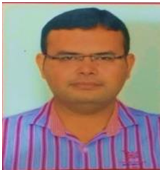 |
DR. JWALANTKUMAR JOSHI Professor and HOD M.B.B.S., M.D. (Community Medicine) UG Registration No : G-45227 PG Registration No : G-25154 |
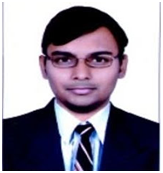 |
DR. PUNIT PATEL Professor M.B.B.S., M.D. (Community Medicine) UG Registration No : G-45206 PG Registration No : G-21126 |
 |
DR. NITESHKUMAR PATEL Associate Professor M.B.B.S., M.D. (Community Medicine) UG Registration No : G-53158 PG Registration No : G-26749 |
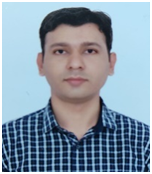 |
DR. KIRTI RAHUL Associate Professor M.B.B.S., M.D. (Community Medicine) UG Registration No : G-43865 PG Registration No : G-21863 |
 |
Dr. HARDIKKUMAR B. YAGNIK Associate Professor M.B.B.S., M.D. (Community Medicine) UG Registration No :G-48401 PG Registration No : G-27326 |
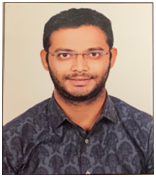 |
DR. RAJAN PARMAR Assistant Professor M.B.B.S., M.D. (Community Medicine) UG Registration No : G-61359 PG Registration No : G-31797 |
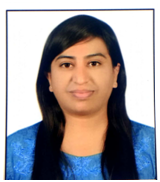 |
DR. ZARNA DARJI Assistant Professor M.B.B.S., M.D. (Community Medicine) UG Registration No : G-66830 PG Registration No : G-35652 |
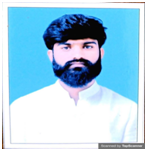 |
DR. VIRENDER KUMAR YADAV Biostatistician cum Assistant Professor B.Sc, M.Sc,PhD (Statistics) UG Registration No : Other PG Registration No : Other
|
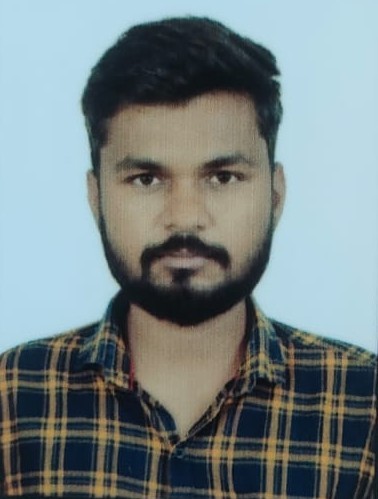 |
DR. MEET BHANKHARIYA Assistant Professor M.B.B.S., M.D. UG Registration No : G-66503 PG Registration No : G-39644 |
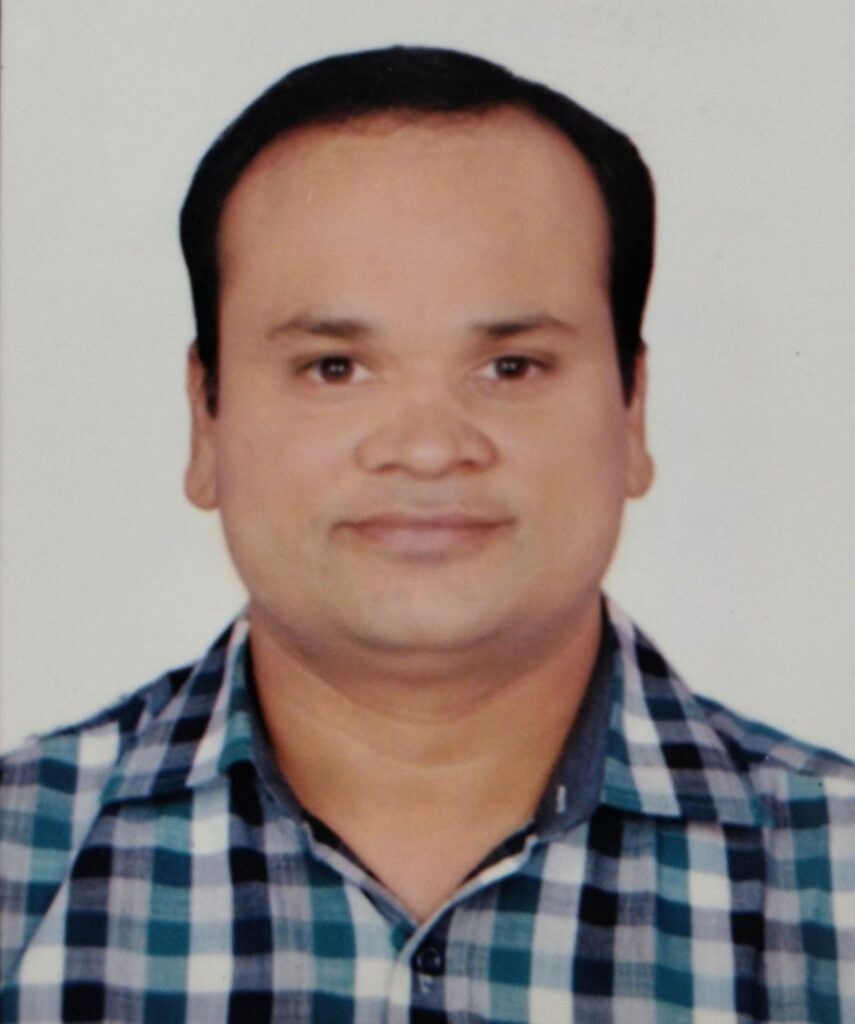 |
DR. ANIKET RANA Assistant Professor M.B.B.S., M.D. UG Registration No : G-32829 PG Registration No : G-14726 |
 |
DR. VISHAL H. CHAVDA Assistant Professor M.B.B.S., M.D. UG Registration No : G-67453 PG Registration No : G-40565 |
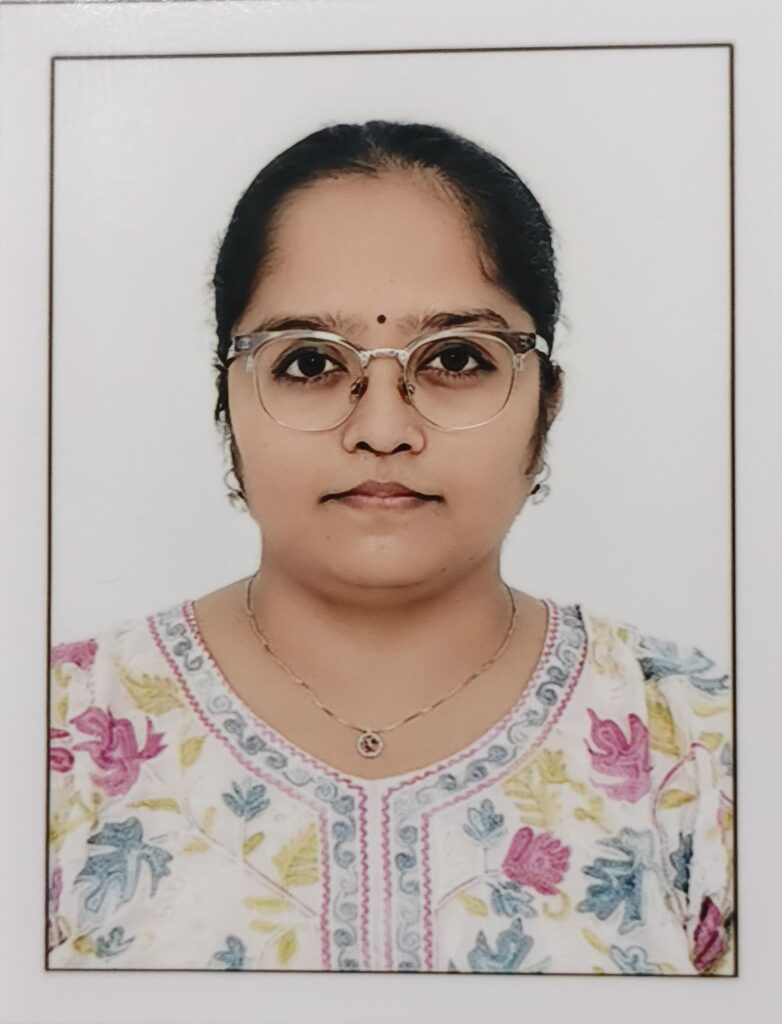 |
DR. PRATIKSHABEN R. PADHIYAR Assistant Professor M.B.B.S., M.D. UG Registration No : G-65669 PG Registration No : G-40612 |
 |
DR. RUPAL VIRSANGBHAI CHAUDHARY TUTOR M.B.B.S. UG Registration No : G-67711
|
 |
DR. VIJAYSINH LAXMANSINH RATHOD TUTOR M.B.B.S. UG Registration No : G-86481
|
 |
DR. BHAVIK RAJENDRAKUMAR TRIVEDI TUTOR M.B.B.S. UG Registration No : G-86600 |
 |
DR. NENCY JAYESHBHAI BHATOL TUTOR M.B.B.S. UG Registration No : G-97274 |
 |
DR. VIKAS M CHAUDHARY TUTOR M.B.B.S. UG Registration No : FMG-G-67979 |
 |
DR. JOSHI DHAVALKUMAR AMARATBHAI TUTOR M.B.B.S. UG Registration No : FMG-G-97362 |
 |
DR. JAY HIRAGAR TUTOR M.B.B.S. UG Registration No : FMG-G-97286 |
MEDICAL EDUCATOR TRAINING/ RESEARCH METHODOLOGY
|
Faculty Name |
Medical Education Training Details |
Date |
Institute |
|
Dr. Pushti Vachhani |
Revised Basic Course Workshop in Medical Education Technologies |
10-12th May, 2016 |
Pramukhswami Medical College, Karamsad. |
|
Basic Course in Biomedical Research |
March-June, 2020 |
Online certification from ICMR & NIE |
|
|
AT- COM MODULE |
9th May, 2016 |
Pramukhswami Medical College, Karamsad. |
|
|
CISP(Curriculum Implementation Support Program) |
29-31 July, 2019 |
Banas Medical College & Research Institute, Palanpur. |
|
|
Dr. Nishant Bhimani |
Revised Basic Course Workshop in Medical education Technologies |
10-12th May, 2016 |
Pramukhswami Medical College, Karamsad. |
|
Basic Course in Biomedical Research |
March-June, 2020 |
Online certification from ICMR & NIE |
|
|
AT- COM MODULE |
9th May, 2016 |
Pramukhswami Medical College, Karamsad. |
|
|
CISP (Curriculum Implementation Support Program) |
29-31 July, 2019 |
Banas Medical College & Research Institute, Palanpur. |
|
|
Dr. Jwalant Joshi |
Revised Basic Course Workshop in Medical education Technologies |
4-6th August,2021 |
Banas Medical College & Research Institute, Palanpur. |
|
Basic Course in Biomedical Research |
March-June, 2020 |
Online certification from ICMR & NIE |
|
|
CISP (Curriculum Implementation Support Program) II |
23-24 September, 2020 |
Banas Medical College & Research Institute, Palanpur. |
|
|
Basic Course in Medical Education |
23-25 May, 2023 |
Pramukhswami Medical College, Karamsad. |
|
|
Dr. Punit G. Patel |
Revised Basic Course Workshop in Medical education Technologies |
10th to 12th June, 2019 |
Pramukh swami Medical college, Karamsad |
|
Sensitization Programme for AETCOM |
13th June, 2019 |
PramukhswamiMedical College, Karamsad. |
|
|
CISP (Curriculum Implementation Support Program) |
29th to 31st July, 2019 |
Banas Medical College & Research centre |
|
|
Sensitization workshop on implementation of CBME in community Medicine department, as per GMER 2019 |
2nd January, 2020 |
NHL Municipal Medical College, Ahmedabad |
|
|
Basic Course in Biomedical Research |
March-June, 2020 |
Online certification from ICMR & NIE |
|
|
Dr. Nitesh Patel |
Revised Basic Course Workshop in Medical education Technologies |
4-6th August,2021 |
Banas Medical College & Research Institute, Palanpur. |
|
Basic Course in Biomedical Research |
March-June, 2020 |
Online certification from ICMR & NIE |
|
|
CISP (Curriculum Implementation Support Program) II |
23-24 September 2020 |
Banas Medical College & Research Institute, Palanpur. |
|
|
Dr. Kirti Rahul |
Revised Basic Course Workshop in Medical education Technologies |
4-6th August,2021 |
Banas Medical College & Research Institute, Palanpur |
|
CISP (Curriculum Implementation Support Program) II |
23-24 September 2020 |
Banas Medical College & Research Institute, Palanpur. |
|
|
Basic Course in Biomedical Research |
March-June, 2020 |
Online certification from ICMR & NIE |
|
|
Dr. Rajan Parmar |
Basic Course in Biomedical Research |
August-December, 2020 |
Online certification from ICMR & NIE |
|
Dr. Zarna Darji |
Basic Course in Biomedical Research |
August-December, 2020 |
Online certification from ICMR & NIE |
RESEARCH PUBLICATIONS:DR